Off-page SEO is a very important part of search engine optimization that helps websites improve their ranking on Google. Many beginners think that SEO is only about writing content and using keywords, but this is not enough. If you want to rank higher and beat your competitors, you must also work outside your website. This is where off-page SEO plays a key role. It helps search engines understand how trustworthy, popular, and valuable your website is in the online world.
In today’s digital landscape, competition is very high. Thousands of websites are targeting the same keywords, so just publishing content is not enough. You need strong signals from outside your website to prove your authority. Off-page SEO provides these signals and helps you build a strong online presence over time.
What is Off-Page SEO?
Off-page SEO refers to all the activities that you perform outside your website to improve its ranking in search engine results. These activities focus on building trust, authority, and credibility for your website. In simple words, off-page SEO is about promoting your website on other platforms so that search engines consider it valuable.
One of the main components of off-page SEO is backlinks. When another website links to your content, it acts like a vote of confidence. The more high-quality backlinks you have, the more search engines trust your website. However, not all backlinks are equal. Links from trusted and high-authority websites are much more valuable than links from low-quality or spammy sites.
Why Off-Page SEO is Important
Off-page SEO is important because search engines use it to evaluate the quality and reliability of your website. Even if your content is well-written and optimized, it may not rank without strong off-page signals. This is because search engines want to provide users with the most relevant and trustworthy results.
When your website gets links, mentions, and shares from different platforms, it builds your brand reputation. It also helps increase organic traffic and improves your visibility in search results. Over time, consistent off-page SEO efforts can help your website become an authority in your niche.
How Off-Page SEO Works
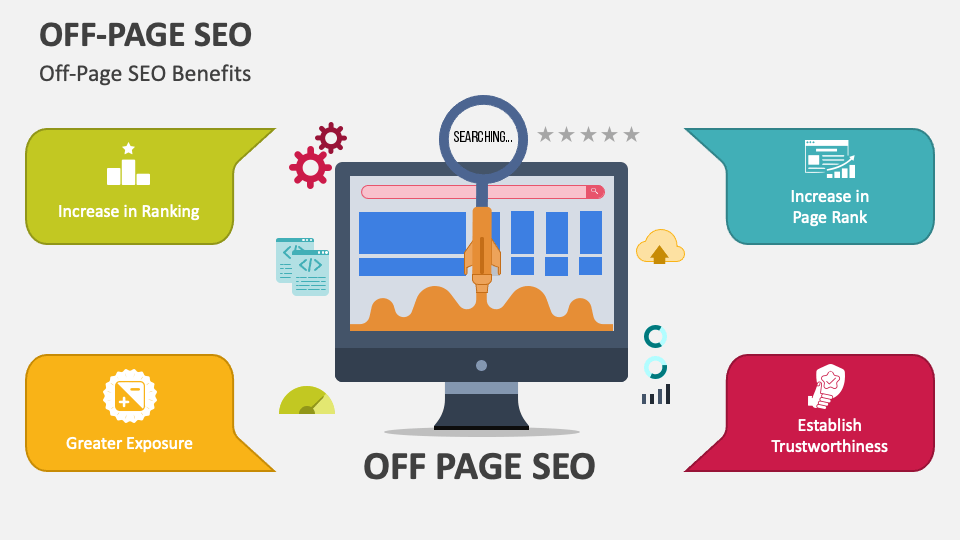
Off-page SEO works by analyzing how your website is connected to the rest of the internet. Search engines look at different factors such as backlinks, brand mentions, and social signals to determine your website’s authority. These signals help search engines understand whether your content is useful for users or not.
For example, if multiple websites link to your content, it shows that your content is valuable and worth sharing. This increases your chances of ranking higher in search results. However, if your website has low-quality backlinks, it can negatively impact your ranking. That is why it is important to focus on quality rather than quantity when building backlinks.
Difference Between On-Page and Off-Page SEO
On-page SEO and off-page SEO are two important parts of a complete SEO strategy. On-page SEO includes everything you do on your website, such as optimizing content, using keywords, improving page speed, and creating a good user experience. It gives you full control over your website optimization.
Off-page SEO, on the other hand, focuses on external factors like backlinks, social media engagement, and brand mentions. You do not have full control over these factors, but they play a major role in building your website’s authority. Both on-page and off-page SEO work together to improve your overall ranking and performance.
Key Elements of Off-Page SEO
There are several important elements of off-page SEO that you need to understand to build a strong strategy. Backlinks are the most important element because they directly impact your website’s authority. High-quality backlinks from trusted websites can significantly improve your ranking.
Another important factor is domain authority, which measures the strength of your website compared to competitors. Social signals such as likes, shares, and comments also help increase visibility and traffic. Brand mentions, even without direct links, can build trust and improve your online reputation over time.
Top Off-Page SEO Techniques
- Guest posting on high-authority websites to get quality backlinks
- Building backlinks through outreach and networking
- Sharing content on social media platforms to increase reach
- Participating in forums and online communities
- Submitting your website to trusted directories
- Collaborating with influencers in your niche
- Creating high-quality content that naturally attracts links
Link Building Strategies Explained
Link building is the core of off-page SEO and plays a major role in improving your website ranking. It involves getting links from other websites to your own. However, successful link building requires strategy and patience. You cannot simply create links randomly and expect results.
One effective strategy is guest blogging, where you write articles for other websites and include a link back to your site. Another strategy is broken link building, where you find broken links on other websites and suggest your content as a replacement. Outreach is also important, as it helps you connect with website owners and bloggers for collaboration opportunities. Always remember to focus on high-quality links instead of low-quality ones.
Role of Social Media in Off-Page SEO

Social media plays an important role in off-page SEO by increasing your content visibility. When you share your content on platforms like Facebook, Twitter, and LinkedIn, it reaches a wider audience. This can drive more traffic to your website and increase the chances of getting backlinks.
Although social media links are not always direct ranking factors, they help indirectly by boosting engagement and brand awareness. The more people see and interact with your content, the higher the chances of it being shared and linked by others.
Common Off-Page SEO Mistakes to Avoid
Many beginners make mistakes in off-page SEO that can harm their website ranking. One common mistake is buying low-quality backlinks, which can lead to penalties from search engines. Another mistake is spamming links on forums and comment sections, which does not provide real value.
Ignoring link quality is also a big mistake. A few high-quality backlinks are much better than many low-quality ones. Not using proper anchor text and focusing only on quantity instead of quality can also affect your results. To succeed in off-page SEO, it is important to follow ethical and white-hat techniques.
Off-Page SEO Checklist for Beginners
To get started with off-page SEO, you need a clear and simple plan. First, focus on creating high-quality content that people want to share. Then, start building backlinks through guest posting and outreach. Use social media to promote your content and increase visibility.
You should also monitor your backlinks regularly to ensure they are high quality. Avoid spammy links and focus on building genuine connections. Consistency is key, so keep working on your off-page SEO regularly to see long-term results.
Frequently Asked Questions
What is off-page SEO in simple words?
Off-page SEO means improving your website ranking by doing activities outside your website, such as building backlinks and promoting your content.
Why is off-page SEO important for ranking?
It helps search engines trust your website and consider it valuable, which improves your ranking.
What are the best off-page SEO techniques?
The best techniques include guest posting, link building, and social media marketing.
How does link building help in SEO?
Link building increases your website authority and signals search engines that your content is valuable.
Is off-page SEO still effective in 2026?
Yes, off-page SEO is still very important and continues to be a key ranking factor.
What is the difference between on-page and off-page SEO?
On-page SEO is done inside your website, while off-page SEO focuses on activities outside your website.
Conclusion
Off-page SEO is a powerful strategy that helps improve your website authority, visibility, and ranking. It focuses on building trust through backlinks, social signals, and brand mentions. Without off-page SEO, it is very difficult to compete in search engine rankings. If you want long-term success, you need to invest time and effort into building high-quality backlinks and promoting your content.
Start with simple techniques and stay consistent. Over time, you will see significant improvements in your website performance. Remember, SEO is not a one-time task. It requires continuous effort, smart strategy, and patience to achieve the best results.
Related Post: